
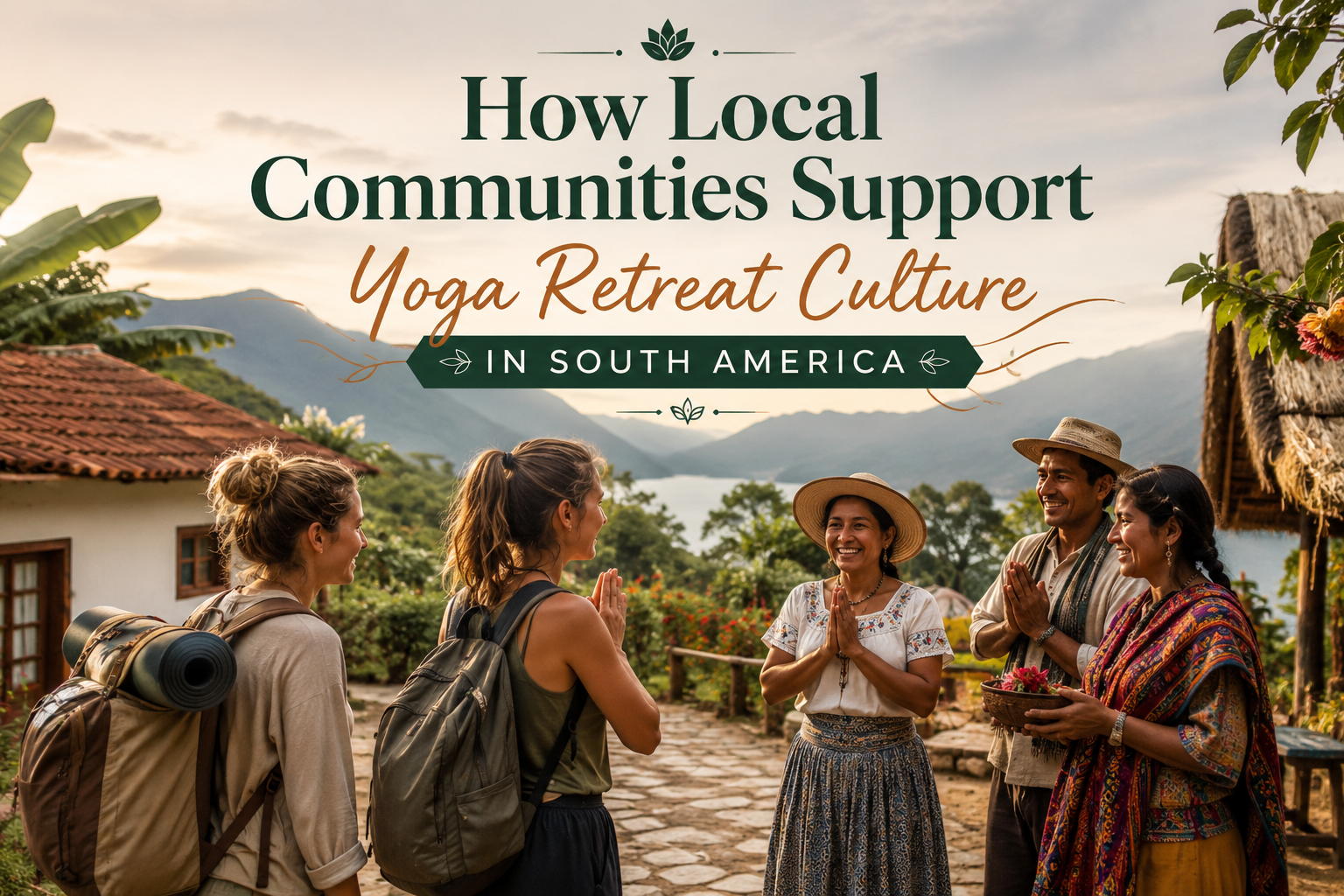
The growth of wellness tourism has converted South America into one of the globe's most attractive locations for yoga retreats. From coastal regions to mountain villages, yoga centers are more and more becoming a part of community economies and social structures. Understanding How Local Communities Support Yoga Retreat Culture in South America permits delivering a motive behind why many retreats achieve developing right and significant evaluations from website visitors.
Unlike commercial motel locations that function independently from surrounding populations, many South American yoga retreats depend carefully on cooperation with nearby residents and groups. Local groups make a contribution through lodging, food production, transportation, cultural education, and environmental conservation responsibilities. These relationships create mutual monetary benefits at the same time as keeping nearby traditions and identities.
Why Are Local Communities Important for Yoga Retreat Success?
Local communities play an essential role in identifying the success and sustainability of yoga retreats, especially in locations in South America. While cute landscapes and notable yoga training attract members initially, it's far more often the warmth, way of life, and guidance of community residents that create memorable and lasting memories. Communities contribute through hospitality, transportation, food production, cultural activities, and environmental stewardship, all of which beautify the retreat experience.
Their involvement allows retreats to operate responsibly even while ensuring that tourism blessings are shared at some point in the area. This strong relationship amongst retreat organizers and local populations creates long-term sustainability and encourages strong cultural trade amongst website visitors and residents.
How Do Local Communities Contribute to Yoga Retreat Success?
-
Providing Authentic Hospitality: Local families, guesthouses, and eco-accommodations offer lodging and customized services that create a welcoming environment for retreat participants.
-
Supporting Local Food Systems: Farmers and meal producers deliver clean produce, greens, herbs, and traditional foods that make contributions to healthy retreat meals.
-
Sharing Cultural Experiences: Residents introduce website traffic to local traditions, fairs, crafts, and customs, making the retreat revel in extra immersion and vastness.
-
Creating Employment Opportunities: Retreat centers often hire nearby people in areas that include catering, housework, guiding, security, and transportation services.
-
Protecting Natural Environments: Communities play an essential function in maintaining beaches, forests, mountains, and other natural regions used for yoga activities.
-
Encouraging Sustainable Tourism Development: Local participation ensures that tourism growth stays balanced, accountable, and useful for every website visitor and citizen.
How Local Communities Support Yoga Retreat Culture in South America Through Hospitality?
Hospitality is one of the most essential strategies local corporations contribute to the success of yoga retreats in South America. Local families, guesthouses, and small companies help create welcoming environments that make visitors' experiences linked to the place and its way of life. Their resources enhance the retreat revelry at the same time as making sure that tourism benefits are shared at some stage in the community.
How Does Hospitality Support Yoga Retreat Culture?
-
Providing Comfortable Accommodation: Local homestays, eco-lodges, and guesthouses provide the right and comfortable locations for humans to live at some stage in retreats.
-
Preparing Healthy Local Cuisine: Community members often offer clean and nutritious food using nearby ingredients that help a fitness-centered life.
-
Creating Meaningful Cultural Connections: Hospitality offerings permit travelers to revel in nearby traditions, customs, and day-to-day life beyond their yoga exercises.
How Do Homestay Experiences Enhance Yoga Retreats?
Homestay evaluations beautify yoga retreats with the useful resource of a way of allowing contributors to stay with local families and experience the manner of life of the holiday spot in a more personal and real manner. They create possibilities for cultural exchange, language learning, and outstanding relationships that move beyond conventional accommodation options. Homestays additionally benefit local community households by ensuring that tourism earnings right now advantage community participants.
What Benefits Do Homestays Offer to Yoga Retreat Participants?
-
Encouraging Cultural Immersion: Guests experience nearby traditions, customs, and everyday existence, developing a deeper connection to the vacation spot and its human beings.
-
Supporting Local Families Economically: Homestay programs offer additional income for families and assist in distributing tourism blessings for the duration of the community.
-
Creating Personal and Memorable Experiences: Staying with close-by hosts frequently leads to significant interactions and lasting memories beyond the yoga retreat itself.
What Role Do Local Farmers Play in Supporting Yoga Retreat Culture?
Local farmers are a crucial part of the yoga retreat way of life due to the fact they offer the smooth and nutritious components utilized in masses of health-centered meal programs. Their contribution facilitates the farm-to-table approach that is well-known in retreats across South America while additionally strengthening local economies. By working cautiously through retreat centers, farmers assist in creating healthier and more sustainable resorts for visitors.
How Do Local Farmers Support Yoga Retreats?
-
Supplying Fresh Organic Produce: Farmers offer fruits, vegetables, herbs, and grains that make contributions to balanced and nutritious retreat meals.
-
Supporting Sustainable Food Systems: Locally sourced components reduce transportation costs and encourage environmentally accountable tourism practices.
-
Strengthening Community Economies: Partnerships with retreat centers create strong earnings opportunities for agricultural households and nearby producers.
Why Is Organic Food Important for Yoga Retreat Participants?
Organic meals are critical for yoga retreat participants as they facilitate the requirements of fitness, mindfulness, and balanced living, which are closely associated with yoga practice. Many retreats in South America pick domestically grown natural substances to offer nutritious food at the same time as decreasing environmental impact. This technique enhances both personal health and sustainability efforts in internal corporate retreats.
What Are the Benefits of Organic Food in Yoga Retreats?
-
Supporting Health and Wellbeing: Organic meals are often more energizing and include fewer artificial chemical substances, assisting participants to maintain strength and interest during retreats.
-
Encouraging Sustainable Agriculture: Organic farming strategies support soil health, biodiversity, and environmentally responsible food production practices.
-
Strengthening Local Food Networks: Purchasing organic produce from nearby farms helps nearby farmers and contributes to network-primarily based fitness tourism.
How Do Indigenous Traditions Influence South American Yoga Retreats?
Indigenous traditions add cultural depth and authenticity to many yoga retreats throughout South America. Local knowledge about nature, community well-being, and traditional well-being practices often enhances the holistic philosophy of yoga. Through respectful cultural exchange, retreat participants gain a deeper perspective of the place's secular and non-secular values.
How Do Indigenous Traditions Enhance Yoga Retreat Experiences?
-
Sharing Traditional Wellness Knowledge: Indigenous agencies often introduce participants to herbal practices, natural remedies, and holistic techniques for proper well-being.
-
Strengthening Connections with Nature: Many indigenous traditions emphasise harmony with the surroundings, which aligns carefully with yogic standards and mindfulness
-
Preserving Cultural Heritage: Community involvement permits protecting community traditions even as growing widespread cultural awareness for the retreat of humans.
Can Traditional Healing Practices Complement Yoga Programs?
Traditional healing practices can complement yoga programs by manner of presenting individuals with a broader perspective on holistic health and cultural health traditions. Many yoga retreats in South America include close-by information and nature-based, totally, completely, really practices to supplement the retreat experience. When supplied respectfully and ethically, these traditions can beautify mindfulness and cultural facts along with yoga schooling.
How Can Traditional Healing Practices Support Yoga Retreats?
-
Promoting Holistic Well-Being: Traditional practices regularly recognize the balance amongst physical, emotional, and environmental health, complementing yoga philosophy.
-
Encouraging Cultural Learning: Participants gain precious insights into local health traditions and the history of the businesses hosting the retreat.
-
Enhancing Relaxation and Mindfulness: Nature-based, holistic fitness practices can manually strain goodbyes and create a deeper sense of connection sooner or later in retreats.
How Does Community-Based Tourism Strengthen Yoga Retreat Destinations?
Community-primarily based tourism strengthens yoga retreat locations by making sure that close-by residents actively participate in and gain from health tourism activities. This approach creates stronger connections among retreat organizers and companies while assisting sustainable economic development. In many areas of South America, it, moreover, permits preserving cultural identity and enhancing the authenticity of retreat experiences.
How Does Community-Based Tourism Benefit Yoga Retreats?
-
Creating Local Employment Opportunities: Retreat centers generate jobs in hospitality, transport, catering, and different offerings that beneficially aid local families and companies.
-
Preserving Culture and Traditions: Community involvement encourages the preservation of nearby customs, crafts, and cultural critiques valued by engaging site visitors.
-
Promoting Sustainable Tourism Growth: Local participation allows ensuring that tourism develops responsibly and benefits organizations over the long term.
What Economic Benefits Do Communities Receive?
Yoga retreat tourism creates valuable financial opportunities for nearby businesses by producing profits at some point in a couple of sectors of the local economy. Visitors make contributions through spending on lodging, meals, transportation, cultural activities, and locally made merchandise. As part of How Local Communities Support Yoga Retreat Culture in South America, those financial benefits help guide local organizations and inspire long-term community development.
What Economic Advantages Do Local Communities Gain?
-
Creating Jobs and Income Opportunities: Retreat centers help employment in hospitality, catering, shipping, home tasks, and tourism-related ventures.
-
Supporting Small Businesses and Farmers: Local stores, markets, restaurants, and agricultural producers gain from improved call generation through retreat participants.
-
Encouraging Community Development: Tourism sales can make contributions to advanced infrastructure, public offerings, and monetary balance in interior neighborhood corporations.
How Local Communities Support Yoga Retreat Culture in South America Through Sustainability?
Sustainability is one of the most important approaches; local agencies make a contribution to the long-term success of yoga retreats in South America. Communities help guard natural landscapes, inspire responsible tourism practices, and assist with eco-friendly responsibilities that hold the environment for future generations. Their involvement guarantees that well-being tourism develops in harmony with nearby ecosystems and community desires.
How Do Local Communities Promote Sustainability in Yoga Retreats?
-
Protecting Natural Environments: Residents take part in conservation efforts that keep forests, beaches, mountains, and unique retreat places.
-
Supporting Eco-Friendly Practices: Communities inspire recycling, waste reduction, and the use of renewable resources in internal retreat operations.
-
Promoting Sustainable Local Products: Retreat centers often deliver food, materials, and supplies locally, lowering environmental effects at the same time as supporting nearby businesses.
Why Are Eco-Friendly Practices Important for Retreat Culture?
Eco-friendly practices are vital for retreat culture because they replicate the values of mindfulness, balance, and accountable living that many yoga practitioners encompass. Sustainable operations help lessen environmental effects while preserving the natural environment that makes retreat locations appealing to visitors. In many yoga retreats in the path of South America, those practices additionally perk up the relationship among well-being, tourism, and nearby businesses.
How Do Eco-Friendly Practices Benefit Yoga Retreats?
-
Reducing Environmental Impact: Waste reduction, recycling, and energy-efficient systems help minimize strain on nearby ecosystems and natural property.
-
Protecting Natural Retreat Destinations: Sustainable practices protect seashores, forests, mountains, and landscapes, which are probably relevant to many retreat options.
-
Supporting Responsible Wellness Tourism: Eco-best initiatives boost the popularity of retreats and enchantment for environmentally aware vacationers in search of sustainable experiences.
How Do Local Artists and Craftspeople Contribute to Retreat Experiences?
Local artists and craftspeople add cultural richness and authenticity to yoga retreat reports by showcasing the innovative traditions in their groups. Handmade textiles, pottery, artwork, and ornamental pieces frequently help create welcoming retreat areas that reflect the identity of the location. In many components of South America, these innovative contributions, moreover, offer critical economic possibilities for local artisans and small businesses.
How Do Artists and Craftspeople Support Yoga Retreat Culture?
-
Enhancing Retreat Spaces with Local Art: Handmade decorations, furniture, and traditional crafts create unique environments that replicate nearby subcultures and history.
-
Providing Cultural Learning Opportunities: Workshops in pottery, weaving, portraiture, and unique crafts allow people to engage with neighborhood creative traditions.
-
Supporting Local Creative Economies: The sale of domestic-made products and souvenirs generates earnings for artisans and lets in preserved conventional craftsmanship.
Why Are Cultural Activities Popular During Yoga Retreats?
Cultural activities are famous all through yoga retreats because of the fact that they allow participants to connect more deeply with the holiday spot and its neighborhood traditions. Experiences together with music, dance, cooking classes, and craft workshops add variety to retreat programs while encouraging great cultural exchange. In many retreats at some stage in South America, those activities complement yoga practice by selling mindfulness, creativity, and personal growth.
How Do Cultural Activities Enhance Yoga Retreat Experiences?
-
Creating Deeper Cultural Connections: Participants gain a higher understanding of local customs, traditions, and methods of life via interactive experiences.
-
Complementing Mindfulness and Well-Being: Activities that encompass traditional tunes, paintings, and cooking encourage relaxation, creativity, and self-expression alongside yoga intervals.
-
Supporting Local Communities and Traditions: Cultural programs offer earnings possibilities for network artists, performers, and teachers even while retaining neighborhood records.
How Does Volunteer Participation Strengthen Community Relationships?
Volunteer participation strengthens relationships amongst yoga retreat members and local businesses through developing opportunities for meaningful collaboration and cultural change. Many retreats encourage website visitors to contribute to environmental duties, educational programs, or community initiatives throughout their stay. These studies sell mutual information and permit people to give back to the communities that help their well-being adventures.
In the context of How Local Communities Support Yoga Retreat Culture in South America, volunteering allows the creation of an experience of shared duty and long-term partnership among website visitors and citizens. It also reinforces the values of compassion, altruism, and social responsibility, which might be frequently associated with yoga philosophy.
How Does Volunteering Benefit Communities and Retreat Participants?
-
Encouraging Meaningful Cultural Exchange: Volunteers' artwork, along with nearby citizens, develops opportunities to discover traditions, values, and everyday life inside the community.
-
Supporting Community Development Projects: Participation in academic, environmental, or social tasks permits providing extra assets for nearby programs.
-
Strengthening Environmental Conservation Efforts: Volunteers often help with sorting, tree planting, cleanup campaigns, and sustainability obligations.
-
Creating Lasting Personal Connections: Shared experiences encourage friendships and stronger relationships among visitors and network individuals.
-
Promoting Responsible Tourism Practices: Volunteering encourages site visitors to contribute truly to the places they visit and really engage in research.
-
Reflecting the Values of Yoga Philosophy: The community company aligns with values that encompass compassion, mindfulness, and appreciation for others and the surroundings.
What Challenges Exist in Maintaining Community Support?
Maintaining a community manual can become difficult as yoga retreat tourism grows and draws greater numbers of online visitors to community locations. Rapid development may additionally place strain on housing, heritable belongings, infrastructure, and cultural traditions if growth isn't always controlled responsibly.
Retreat organizers and nearby stakeholders must work collectively to ensure that tourism stays sustainable, respectful, and beneficial for citizens as well as site visitors. In the context of How Local Communities Support Yoga Retreat Culture in South America, addressing those demanding situations is vital for maintaining agreement, cultural authenticity, and long-term community participation.
What Challenges Can Affect Community Support for Yoga Retreats?
-
Pressure on Local Infrastructure: Increased tourist numbers can create extra strain for roads, transportation, water facilities, and public services.
-
Environmental Impact and Resource Use: Unsustainable tourism practices may additionally bring about waste, technology, habitat disruption, and strain on natural resources.
-
Rising Living Costs for Residents: Growing tourism demand can occasionally increase housing costs and the value of everyday goods and services.
-
Risk of Cultural Commercialization: Local traditions and customs may additionally lose authenticity if they're adapted totally to satisfy traveler expectations.
-
Unequal Distribution of Economic Benefits: Communities also can become much less supportive if tourism earnings are concentrated among a small number of businesses or investors.
-
Balancing Growth with Sustainability: Retreat places should carefully manage growth to protect both network health and environmental assets.
What Is the Future of Community-Supported Yoga Retreats in South America?
The future of network-supported yoga retreats in South America appears promising as travelers are more and more attempting to find real, sustainable, and culturally immersive health evaluations. Retreat organizers are recognizing the significance of working with nearby communities to create programs that benefit each site's visitors and citizens.
This method is not the most effective for strengthening nearby economies; however, it additionally allows for preserving cultural traditions and natural environments. As interest in accountable tourism continues to increase, network partnerships are expected to become a defining feature of fulfilling yoga retreat locations at some stage in the vicinity.
What Trends Will Shape the Future of Community-Supported Yoga Retreats?
-
Growing Demand for Authentic Experiences: Travelers are an increasing variety of choosers of retreats that offer meaningful cultural interactions and real community engagement.
-
Greater Focus on Sustainability: Eco-brilliant operations and environmental conservation projects will continue to influence retreat planning and manipulation.
-
Expansion of Community Partnerships: More retreats are likely to collaborate with neighborhood farmers, artisans, guides, and vendor companies to boost nearby economies.
-
Increased Interest in Cultural Learning: Participants are expected to be searching out possibilities to discover nearby traditions, crafts, and fitness practices at some point during the retreats.
-
Adoption of Responsible Tourism Models: Community-based tourism techniques will help ensure that economic benefits are shared more equitably throughout nearby populations.
-
Long-Term Support for Local Development: Wellness tourism growth may contribute to improved infrastructure, employment opportunities, and community well-being.
Get your internationally recognized yoga certification with authentic yoga standards in South America.
Conclusion
Understanding How Local Communities Support Yoga Retreat Culture in South America demonstrates that successful retreats rely on an entire lot more than yoga education and super surroundings. Local corporations make a contribution through hospitality, herbal meal production, cultural activities, transportation services, and environmental conservation, all of which help create real and remarkable well-being stories for visitors.
Their involvement strengthens the connection among retreat individuals and the places they go to. These partnerships, furthermore, generate financial possibilities for farmers, artisans, small groups, and provider groups while assisting the maintenance of nearby traditions and cultural statistics.
At the same time, network participation encourages sustainable tourism practices that shield the natural environments, attracting health-conscious tourists to South America. As yoga tourism continues to grow, robust collaboration between retreat organizers and neighborhood citizens will be important for building accountable, inclusive, and sustainable retreat cultures in the vicinity.
Explore Our Recent Blogs
-
Bank, Currency, and Payment Systems Guide for Yoga Students in South America
-
Environmental Conditions That Affect Yoga Practice in Rainforest Regions
-
Local Transportation Costs for Yoga Students in South American Cities
-
How Cultural Festivals in South America Influence Yoga Training Schedules
-
Differences in Yoga Training Infrastructure Between Urban and Rural South America
Frequently Asked Questions
1. How do local communities benefit financially from yoga retreats?
Local companies have an advantage through employment possibilities, lodge services, transportation, meal supply, and handicraft income. Retreat website visitors regularly spend money for the duration of a couple of community corporations in place of one inner lodge. This creates broader economic development at a few levels within the vicinity.
2. Why is community involvement important in yoga tourism?
Community involvement creates real opinions that many site visitors actively are seeking out at the same time as choosing retreat places. Local participation additionally helps preserve traditions and ensures the tourism boom benefits citizens. This affects greater sustainable and accountable tourism practices.
3. Do yoga retreats support local agriculture?
Many retreats purchase glowing elements immediately from nearby farms and producers. This enables local farmers while providing more healthful meals for participants. Farm-to-desk ingesting has become a first-rate attraction in inner health tourism.
4. How do cultural activities improve yoga retreat experiences?
Cultural activities provide opportunities for the trafficked to discover networks, traditions, crafts, and life. These memories complement yoga exercise with the aid of encouraging mindfulness and personal reflection. Participants frequently value cultural immersion as a top-notch deal because of the yoga program itself.
5. Are sustainable practices common in South American yoga retreats?
Yes, sustainability has grown to be a primary priority for plenty of retreat operators. Recycling programs, renewable power, and community sourcing are more and more commonplace. Communities regularly play an essential role in completing their tasks.
6. What is the future of community-supported yoga tourism?
Demand for true and accountable travel experiences continues to increase globally. Community-supported tourism models are consequently predicted to grow to be even more essential. Destinations that prioritize network partnerships will likely remain especially competitive.